
BIPV Facade
واجهات زجاج شمسية
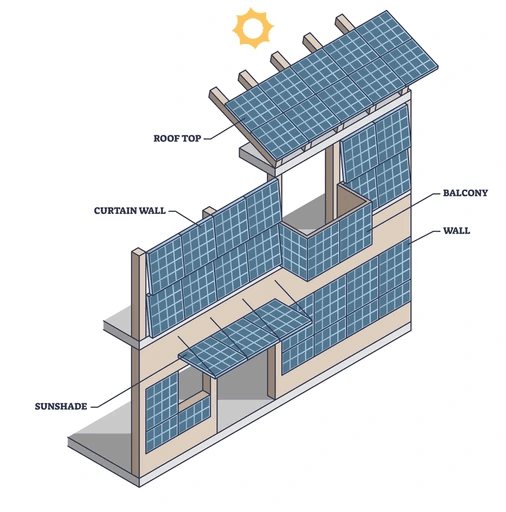
A Building-Integrated Photovoltaic (BIPV) façade combines solar glass with curtain wall or cladding systems to generate electricity while serving as part of the building envelope. Saudi Aluminium Works offers BIPV façade solutions for commercial and government projects across Saudi Arabia, supporting modern architecture and energy efficiency.
How a BIPV Facade Works
Solar cells laminated between glass panes turn sunlight into direct current (DC) electricity. Cabling runs inside the mullions to an inverter, which converts it to alternating current (AC) for the building or the grid. From outside, the facade looks like a normal curtain wall. It still keeps out weather, carries wind load and insulates the building, but it also produces renewable energy.
our services
Types of Solar Facade Panels
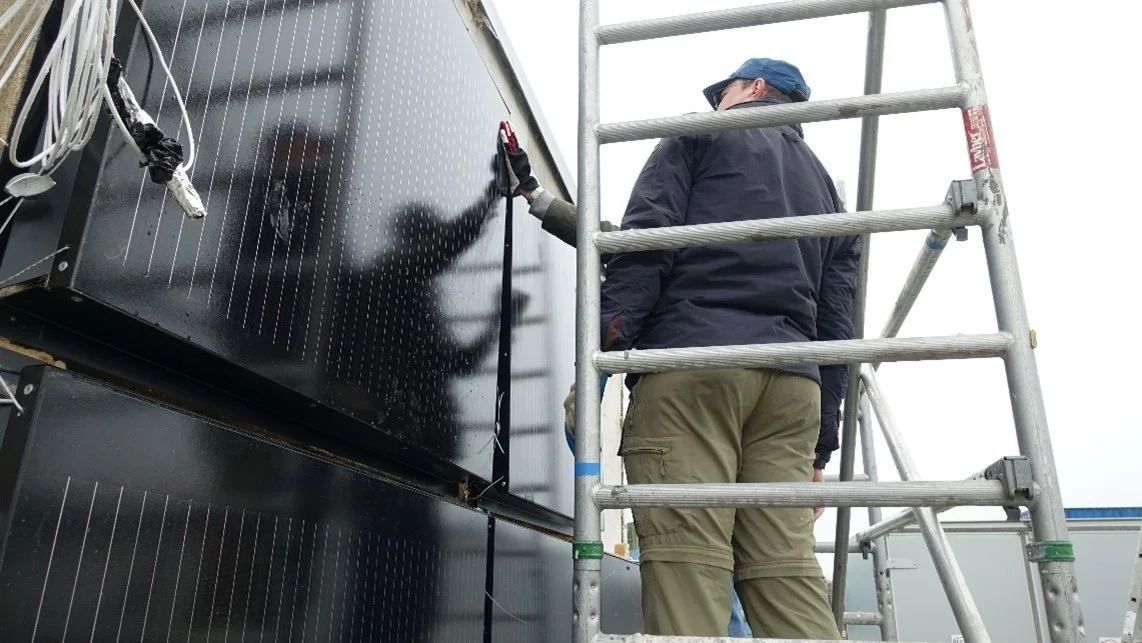
Opaque PV spandrel panels
these replace the spandrel zone between floors and give the highest power output per m²
Semi-transparent PV glass
cells are spaced out to let daylight through, so it can be used in vision areas, atriums and canopies
Coloured and patterned PV glass
these match the building’s colour scheme without looking like a typical solar array
Ventilated BIPV cladding
PV panels on a rainscreen sub-frame with an air gap behind them, which carries heat away from the cells
Solar Glass Curtain Wall Systems
Every BIPV curtain wall in Saudi Arabia that we supply uses thermal break profiles and laminated safety glass. It is tested for wind load to ASTM E330 and for water tightness to ASTM E331.
Unitized BIPV curtain wall
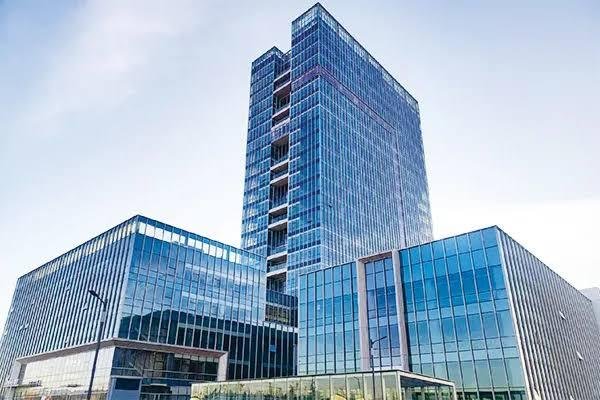
Prefabricated units are glazed and prepared for installation, with electrical connections integrated into the system.
Stick-built BIPV
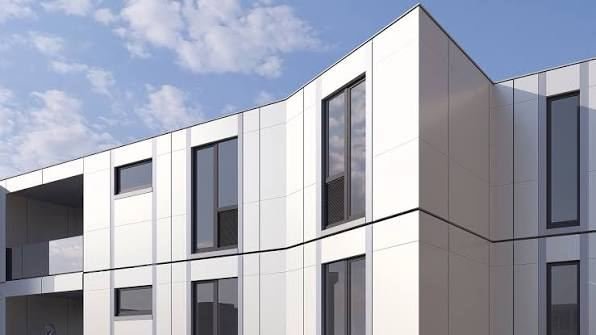
suited to low-rise buildings, podiums and retrofit projects
BIPV skylights and canopies
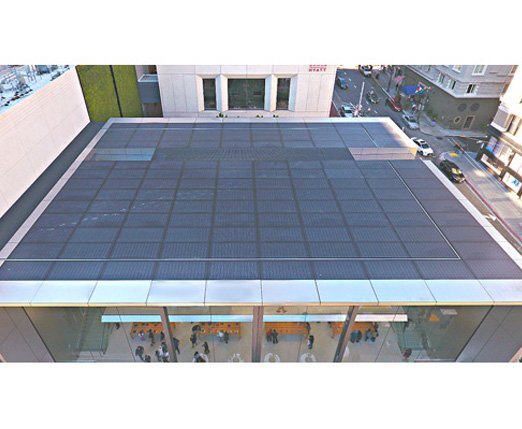
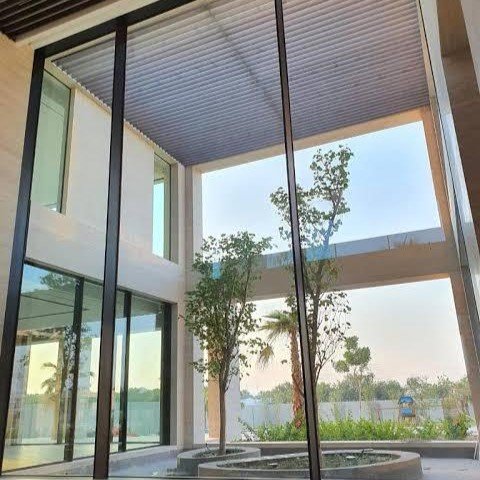
semi-transparent PV glass over atriums and entrances
New Build or Retrofit
Building-integrated photovoltaics (BIPV) can be incorporated into new buildings during the design stage or retrofitted into existing curtain walls and cladding, replacing selected sections with solar panels to generate clean energy without rebuilding the entire facade.
Our Vision
BIPV Performance in Saudi Climate
Saudi Arabia receives some of the highest solar radiation in the world, but heat also lowers PV efficiency. We design for both:
- Orientation: south, east and west elevations produce the most energy. North facades are usually better clad conventionally.
- Ventilation: an air gap behind the PV panels lowers cell temperature and improves output.
- Expected yield: a vertical BIPV facade in [City] typically generates [X]–[X] kWh/m² per year, depending on orientation and the type of PV glass. Vertical panels produce less than a rooftop array, but they use facade area that would otherwise generate nothing.
- Dust: vertical surfaces collect much less dust than rooftop panels, which reduces cleaning and output loss.
Request a BIPV Feasibility Study
Send us your elevations, building orientation and location. We’ll estimate the annual kWh yield, panel layout, payback period and budget within 7 working days. We supply energy-generating facades from Al Khobar to Riyadh, Jeddah, NEOM and giga-projects across the Kingdom.